
How to Choose the Right Wellness Center for Long-Term Health sets the stage for this enthralling narrative, offering readers a glimpse into a story that is rich in detail with casual formal language style and brimming with originality from the outset.
In this guide, we will explore the key factors to consider when selecting a wellness center, the range of services they offer, the facilities they provide, and the importance of long-term health benefits.
Factors to Consider When Choosing a Wellness Center
When choosing a wellness center for your long-term health, there are several important factors to take into consideration. From the type of wellness center to its location and the qualifications of the staff, each aspect plays a crucial role in your overall well-being.
Types of Wellness Centers
- Spa and Relaxation Centers
- Fitness and Exercise Centers
- Nutrition and Weight Management Centers
- Mental Health and Counseling Centers
- Alternative Medicine and Holistic Wellness Centers
Importance of Location
Choosing a wellness center that is conveniently located can make a significant difference in your ability to commit to regular visits and appointments. A center that is close to your home or workplace can help you maintain a consistent wellness routine without the added stress of long commutes.
Credentials and Qualifications of Staff
When selecting a wellness center, it is essential to inquire about the credentials and qualifications of the staff members. Look for licensed professionals, such as doctors, nutritionists, therapists, and fitness trainers, who have the expertise and experience to provide you with the best possible care and guidance.
Services Offered at Wellness Centers
Wellness centers offer a variety of services aimed at promoting overall well-being, including physical, mental, and emotional health. These services are designed to help individuals achieve balance and harmony in their lives.
Common Services Provided
- Yoga Classes: Many wellness centers offer yoga classes, which help improve flexibility, strength, and mindfulness.
- Nutrition Counseling: Nutritionists at wellness centers provide personalized meal plans and guidance to help individuals achieve their health goals.
- Massage Therapy: Massage therapy helps reduce stress, alleviate muscle tension, and improve circulation, contributing to overall relaxation and well-being.
Variety of Programs Offered
Wellness centers typically offer a wide range of programs to cater to different aspects of well-being:
- Physical Well-being: This may include fitness classes, personal training sessions, and physical therapy services.
- Mental Well-being: Programs such as meditation classes, stress management workshops, and counseling services focus on mental health and emotional stability.
- Emotional Well-being: Wellness centers may offer art therapy, group therapy sessions, and life coaching to support emotional health and well-being.
Significance of Personalized Wellness Plans
Personalized wellness plans are crucial in addressing individual needs and goals:
By tailoring programs to each person’s specific requirements, wellness centers can provide effective strategies for long-term health and well-being.
Facilities and Amenities to Evaluate
When choosing a wellness center for long-term health, it is crucial to consider the facilities and amenities available. These aspects play a significant role in enhancing the overall wellness experience for clients, ensuring they have access to the necessary resources to achieve their health goals.
Facilities at a Quality Wellness Center
A quality wellness center should offer a range of facilities to cater to the diverse needs of its clients. Some key facilities to evaluate include:
- Gym Equipment: A well-equipped gym with a variety of exercise machines and free weights is essential for clients looking to maintain their physical fitness.
- Meditation Rooms: Quiet, serene spaces for meditation and relaxation can help clients reduce stress and improve their mental well-being.
- Spa Services: Services such as massages, facials, and body treatments can promote relaxation and rejuvenation, complementing other wellness activities.
Importance of Cleanliness and Organization
Cleanliness and organization are crucial factors in a wellness center as they contribute to the overall experience and ensure a safe and hygienic environment for clients. An orderly and well-maintained facility reflects a commitment to client well-being and professionalism.
Amenities for Enhanced Wellness Experience
In addition to essential facilities, amenities can further enhance the wellness experience for clients. Some examples of amenities that can elevate the overall experience include:
- Healthy Snack Bar: Offering nutritious snacks and beverages can support clients in maintaining a healthy lifestyle during their visits.
- Sauna or Steam Room: Heat therapy can aid in muscle relaxation, detoxification, and stress relief, providing additional benefits to clients.
- Yoga Studio: A dedicated space for yoga classes and practice sessions can promote flexibility, strength, and mindfulness among clients.
Considerations for Long-Term Health Benefits
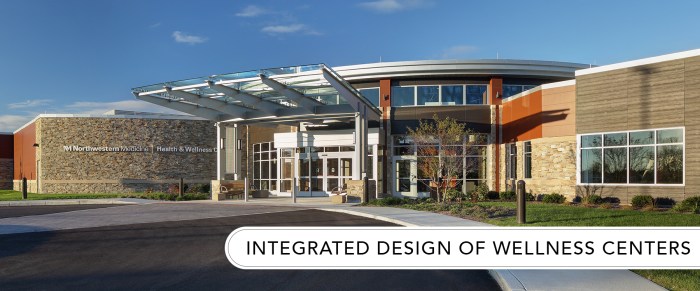
When it comes to achieving long-term health goals, continuity of care plays a crucial role in ensuring consistent progress and maintenance of overall well-being. Wellness centers that offer ongoing support and follow-up services contribute significantly to the success of individuals in their health journey.
The Role of Continuity of Care
Continuity of care refers to the consistent provision of healthcare services over time. In the context of wellness centers, this means that individuals have access to a team of healthcare professionals who are familiar with their medical history, goals, and progress.
This personalized approach allows for tailored interventions and adjustments to be made as needed, ensuring that individuals stay on track towards their long-term health objectives.
Promoting Sustainable Lifestyle Changes
Wellness centers are not just focused on short-term fixes; they emphasize the importance of sustainable lifestyle changes for lasting health benefits. Through education, counseling, and personalized wellness plans, individuals are empowered to make healthier choices that they can maintain in the long run.
This holistic approach addresses not only physical health but also mental and emotional well-being, leading to overall improved quality of life.
Ongoing Support and Follow-Up Services
Long-term wellness maintenance requires continuous support and monitoring. Wellness centers offer follow-up services to track progress, address any setbacks, and provide encouragement along the way. This ongoing support system helps individuals stay motivated, accountable, and engaged in their health journey, ultimately leading to improved outcomes and sustained well-being.
Final Conclusion
In conclusion, choosing the right wellness center for your long-term health is a crucial decision that requires careful consideration. By focusing on factors like location, services, facilities, and long-term benefits, you can make an informed choice that will positively impact your well-being for years to come.
Common Queries
What types of wellness centers are available?
Wellness centers can include spas, fitness centers, holistic centers, and medical wellness facilities.
Why is location important when choosing a wellness center?
Location is crucial as it determines ease of access and convenience for regular visits to the center.
What credentials and qualifications should you look for in wellness center staff?
Look for staff with certifications in their respective fields such as nutrition, yoga, or massage therapy.
How do wellness centers promote sustainable lifestyle changes?
Wellness centers focus on creating personalized plans that cater to individual needs, making it easier to adopt and maintain healthy habits in the long run.
Why is ongoing support important for long-term wellness maintenance?
Ongoing support ensures that individuals stay on track with their health goals and have assistance whenever needed to maintain their well-being.

